Can two-way calling ease worry when family members live apart?
Yes, two-way calling can reduce worry for families living apart, especially when it is part of a clear family emergency alert plan. It does not remove every risk, and it is not a substitute for emergency services. What it can do is shorten the gap between a person noticing a problem and a trusted person understanding what is happening. For many families, that gap is where much of the anxiety sits.
When someone lives far away, ordinary check-ins can feel hit or miss. A missed call might mean a person is asleep, outside, in a meeting, or unable to get to the phone. A short message may not say whether the situation is minor or urgent. Two-way calling adds something simple but valuable: a voice exchange. Tone, pace, and brief answers can tell a family caregiver far more than a silent alert alone.
Why voice contact matters in an emergency alert
A family emergency alert is most useful when it leads to a useful response. An alert that says only "something may be wrong" can still leave relatives guessing. They may wonder whether to call back, travel, contact a neighbour, or ring emergency services. That uncertainty can be stressful, particularly when distance makes it hard to check in person.
Two-way calling helps by turning a one-way signal into a conversation. A trusted responder can ask short questions: Are you hurt? Are you safe inside? Do you need an ambulance? Can you unlock the door? The person receiving help can answer in a way that suits their situation. If speech is difficult, even brief sounds, pauses, or a simple response may help the other person judge what to do next.
This matters because emergencies are rarely neat. A fall may leave someone shaken but mobile, or unable to stand. A health problem may come on slowly. A person may be frightened, confused, or embarrassed. Voice contact gives relatives a better sense of the situation than repeated unanswered calls, while still keeping the response focused on safety.

Where it fits with other alert features
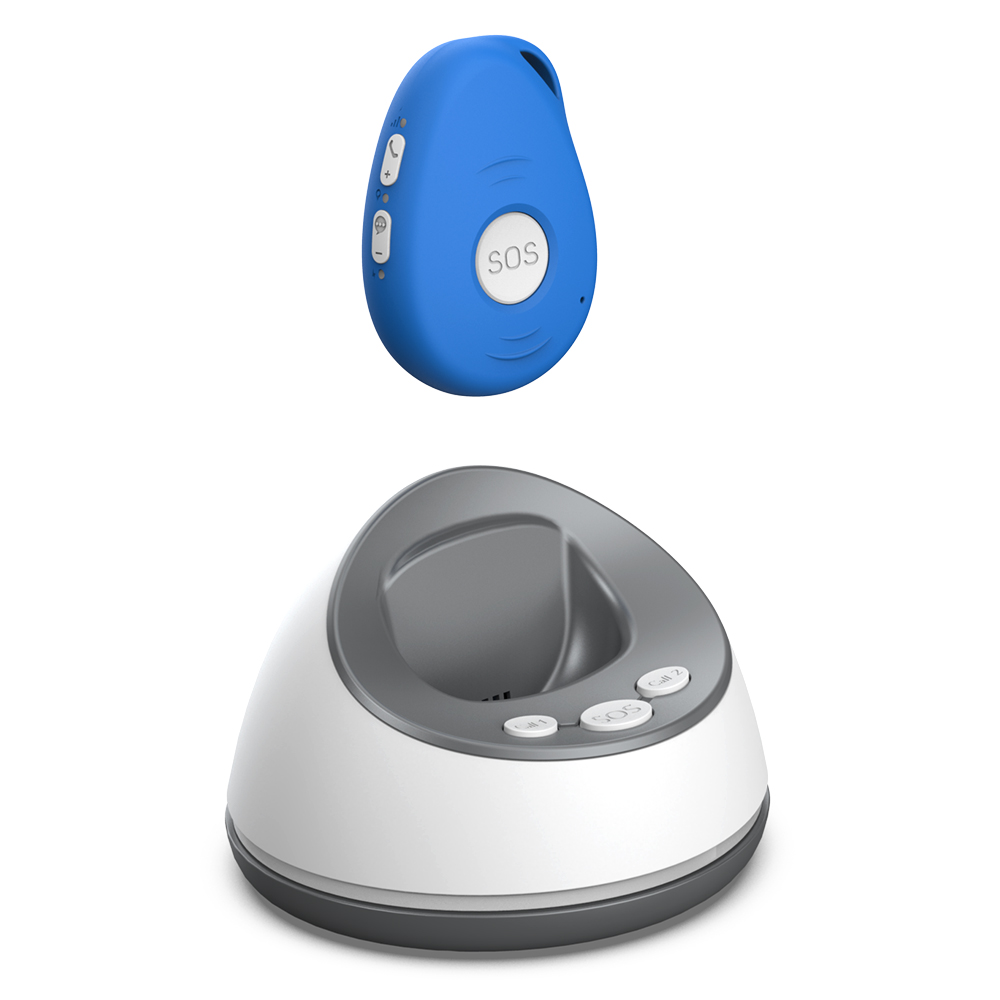
Two-way calling is strongest when it works alongside other signals. In the New Zealand context, Familyr is described as providing wearable medical alarms that connect people with trusted contacts through SOS alerts, fall detection, GPS location and two-way calling without a monthly monitoring fee. Those features address different parts of the same problem.
An SOS alert can be direct when a person recognises danger or needs help. Fall detection can help when a person cannot press a button. GPS location can reduce searching when someone is away from home or cannot describe where they are. Two-way calling can then help confirm what has happened and what response is needed. Used together, they support a more practical response plan than any one signal on its own.
The value is not just technical. Clear information can help relatives avoid two common mistakes: doing too little and doing too much. Doing too little might mean treating a serious fall as a minor mishap. Doing too much might mean sending several people into a situation that needs a calm, coordinated response. A voice check can help families decide the next step with more confidence.
How it can help remote caregiving
Remote caregiving often involves a mix of planning, routine, and quick judgement. Family members may live in another city or further away. They may be busy with work, children, or their own health needs. A wearable alarm with two-way calling can give the person wearing it a way to reach a trusted contact, and give that contact a chance to respond with context.
For example, a wellbeing check can be more reassuring when it allows a real exchange rather than a one-way notification. If a person sounds breathless, in pain, or unusually confused, the response can change. If they are simply distressed after a minor slip and can speak clearly, the family may choose a different path. That distinction matters when help is not nearby.
At familyr.co.nz, the stated focus is on connecting people with trusted contacts through alerts, fall detection, location, and two-way calling. That kind of connection can be useful when the family already has an agreed plan for who responds and what each person will do. Without that plan, even a good call can lead to repeated phone trees and mixed messages.
Set expectations before an alert happens
Two-way calling works best when everyone understands its role. Families should agree on who is contacted first, who is contacted next, and when emergency services should be called. The person wearing the alarm should also know what to say if they can speak, and what to do if they cannot. A few familiar phrases can make a stressful moment easier to manage.
It is also sensible to talk about limitations. A call will not always be answered immediately. A person may be unable to speak after a fall. Location information may not be enough on its own, especially in apartments, multi-building sites, or rural areas. Family members should treat available information as useful guidance, not perfect proof of what has happened.
That is why a family emergency alert should sit inside a wider care network. A neighbour who can check a doorway, a relative who can make the first call, and another person who can coordinate further help all have different roles. Two-way calling can link those roles, but it cannot replace them. The calmer the plan, the more useful the call is likely to be.
Questions to ask when comparing options
Families considering a wearable alarm often focus on the alert itself. That is understandable, but the follow-up matters just as much. A useful question is: when an alert arrives, what can the trusted contact actually do with it? Clear two-way communication can make the difference between a vague worry and a response that fits the situation.
Practical questions include:
- Can the person wearing the device speak directly with a trusted contact?
- How are SOS alerts, fall detection, and location information used together?
- Who receives an alert, and what happens if the first person cannot answer?
- When should emergency services be contacted instead of relying on family response?
These questions are not about finding a perfect system. They are about finding a workable arrangement that matches the person's routines, risks, and relationships. A person who is mostly at home may value a simple button and reliable voice contact. Someone who walks regularly may place more weight on location and fast check-ins. A person with speech difficulties may need a plan that does not depend on long conversations.

A calm way to reduce worry
Worry often grows when people feel out of reach. Two-way calling gives families a way to close that distance at the moment it matters. It lets a trusted responder hear what is happening, ask focused questions, and choose a response with less guesswork. It also gives the person needing help a direct route to someone they know.
For families living apart, that can be meaningful. A family emergency alert is not only about sending a signal. It is about what happens next: whether the signal leads to contact, whether the contact leads to understanding, and whether the understanding leads to the right help. Two-way calling supports that chain in a practical, human way. It will not make every situation easy, but it can make distance feel less like a barrier when someone needs reassurance or urgent support.
Corrections
Spot something wrong? Send it to the desk and it gets fixed in the open.